
African Mango Extract: Can It Really Help With Belly Fat

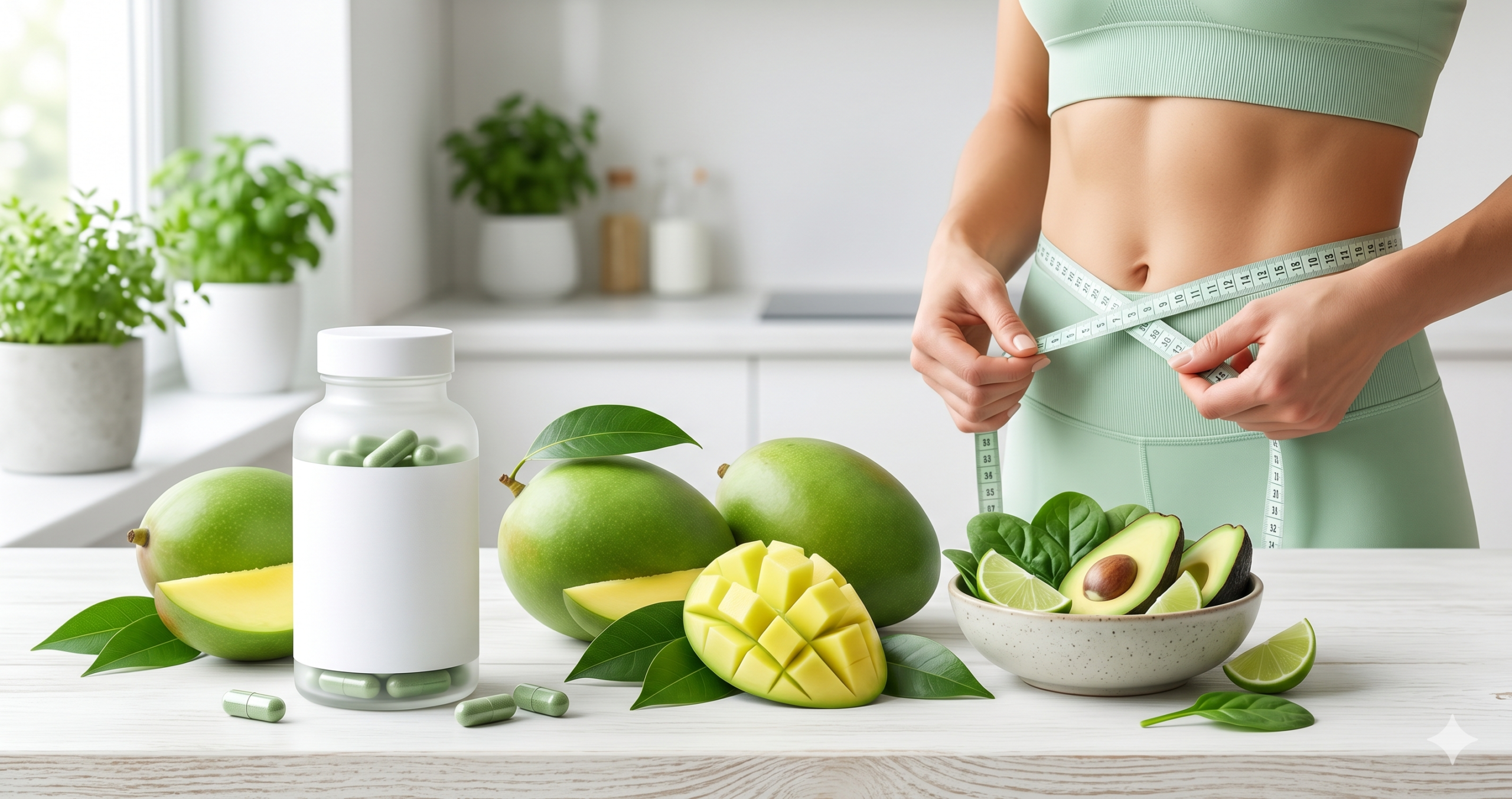
Published: April 20, 2026
Disclosure: This site may contain affiliate links. This content is for informational purposes only and does not constitute medical advice.
If you’ve been researching natural ingredients for weight management, you’ve probably come across African Mango Extract at some point. It shows up in supplement blends, wellness blogs, and health forums — often with bold claims about melting belly fat and resetting metabolism. But what’s the real story?
In this article, we’re going to take a calm, honest look at African Mango Extract: what it is, what the research actually suggests, who might benefit from it, and what to realistically expect. No hype, no miracle promises — just the kind of straight talk you’d get from a knowledgeable friend who’s done their homework.
What Is African Mango Extract?
African Mango Extract comes from the seeds of Irvingia gabonensis, a fruit-bearing tree native to Central and West Africa — particularly Cameroon and Nigeria. The fruit itself looks similar to a common mango, which is how it got its name, but botanically the two are unrelated.
The seeds (also called “wild mango seeds” or “ogbono” in West African cooking) have been used for centuries in traditional cuisine and folk medicine. In recent decades, researchers began studying concentrated extracts of these seeds — particularly a standardized form sometimes marketed as IGOB131 — to understand whether they might support weight management.
What makes the seeds interesting is their unique fiber and fat composition. They’re rich in a soluble fiber that may influence how the body absorbs fat and regulates certain hormones connected to metabolism and appetite.
What Does the Research Suggest?
The science around African Mango Extract is promising but still developing. It’s worth being upfront about that.
A handful of small clinical studies — most notably a 2009 randomized trial published in Lipids in Health and Disease — found that participants taking a standardized African Mango seed extract lost significantly more weight than those taking a placebo over 10 weeks. Participants also showed improvements in waist circumference, fasting blood glucose, and cholesterol markers.
Research suggests the extract may work through a few different pathways:
- Leptin sensitivity: Leptin is a hormone that signals fullness to the brain. Some research suggests that African Mango Extract may help improve the body’s sensitivity to leptin, which can become impaired in people with excess weight — a condition sometimes called “leptin resistance.”
- Adiponectin levels: This hormone plays a role in how the body processes fat and sugar. Some studies suggest African Mango Extract may support healthier adiponectin levels.
- Fat absorption: The soluble fiber in the seeds may help slow the absorption of dietary fat and carbohydrates, potentially reducing caloric uptake after meals.
- Appetite regulation: Many people find that fiber-rich supplements help them feel fuller between meals, and some users report reduced cravings when taking African Mango Extract consistently.
That said, it’s important to note that most studies are small, short-term, and often funded by supplement companies. Larger independent trials are still needed before any firm conclusions can be drawn. Think of the current evidence as encouraging — not conclusive.
African Mango Extract and Belly Fat Specifically
One of the most-cited benefits in marketing materials is the claim that African Mango Extract targets belly fat — specifically, visceral fat, the deep abdominal fat that wraps around organs and is associated with metabolic health concerns.
The 2009 study did show meaningful reductions in waist circumference among participants, which is one indirect measure of belly fat. Some researchers speculate this may be related to the leptin and adiponectin effects mentioned above, since these hormones are closely tied to how the body stores and mobilizes fat around the midsection.
However, no supplement “targets” belly fat in isolation. Fat loss happens systemically — your body doesn’t burn fat exclusively from one area based on what you take. What African Mango Extract may do is support the metabolic and hormonal conditions that make overall fat loss (including belly fat) more achievable.
If reducing belly fat is your goal, African Mango Extract is best thought of as a potential supportive tool — not a standalone solution.
How It’s Typically Used and What to Look For
African Mango Extract is available as a standalone supplement and as an ingredient in multi-formula weight loss products. Common doses in studies range from 150 mg to 300 mg of standardized extract, taken once or twice daily before meals.
When shopping for a supplement containing African Mango Extract, here are a few things to look for:
- Standardized extract: Look for products specifying “standardized Irvingia gabonensis extract” or the trademarked IGOB131 form, which was used in the most-cited research.
- Transparent labeling: Avoid products that hide African Mango in a “proprietary blend” with no disclosed amounts.
- Third-party testing: Reputable supplement brands will have their products tested by independent labs for purity and potency.
- Combined formulas: Many users find African Mango Extract in combination with other metabolic-support ingredients like green tea extract, chromium, or berberine.
As always, talking to your healthcare provider before starting any new supplement is a smart move — especially if you take medications or have existing health conditions.
Who Might Benefit Most?
Based on the available research and what many people find in practice, African Mango Extract may be particularly relevant for:
- People struggling with appetite control: If cravings and hunger between meals are your biggest challenge, the fiber-based satiety effects may be helpful.
- Those with signs of sluggish metabolism: Research suggests the leptin-sensitizing effects may be especially meaningful for people who have gained significant weight over time and feel like their body has “adapted” to being heavier.
- Women over 40: Hormonal shifts during perimenopause and menopause can affect how fat is distributed — particularly around the midsection. Some research suggests supporting adiponectin levels may be relevant for this group.
- Anyone using a comprehensive approach: African Mango Extract is not a replacement for good nutrition and regular movement — but for those already working on lifestyle habits, it may provide an additional edge.
Realistic Expectations: What African Mango Won’t Do
Let’s be honest about the limitations, because good information means the full picture.
African Mango Extract is not a magic bullet. Here’s what it won’t do:
- It won’t override a consistently poor diet.
- It won’t produce dramatic, rapid weight loss on its own.
- It won’t “spot reduce” belly fat without other lifestyle factors in place.
- Results vary considerably from person to person — some users report noticeable changes in appetite and energy within weeks, while others notice little effect.
The supplement industry is full of exaggerated claims, and African Mango is no exception. The most honest framing is this: some users report meaningful support for appetite, energy, and gradual fat loss when using African Mango Extract as part of a broader health strategy. The research suggests it has real biological mechanisms worth taking seriously — but it works best as one piece of a larger puzzle.
Frequently Asked Questions
Q: How long does it take to see results with African Mango Extract? Most studies run for 8 to 10 weeks, and that’s roughly the timeframe where participants saw the most notable changes. Many people find that consistent use for at least 4 to 8 weeks is needed before drawing conclusions. Results will vary based on diet, activity level, and individual biology.
Q: Are there any side effects from African Mango Extract? African Mango Extract is generally considered well-tolerated. Some people report mild digestive discomfort — particularly gas or bloating — especially when first starting. This is common with fiber-rich supplements and typically resolves within a few days. Starting with a lower dose and taking it with a meal may help.
Q: Can African Mango Extract be taken alongside other supplements? In most cases, yes — it’s commonly found in combination formulas. However, because it may influence blood sugar and cholesterol levels, people taking medications for diabetes, cholesterol, or blood pressure should check with their doctor first.
Q: Is African Mango Extract the same as regular mango? No. Despite the name, Irvingia gabonensis is botanically unrelated to the common mango (Mangifera indica). The extract comes specifically from the seeds of the African wild mango fruit, which have a very different nutritional profile. If you have a mango allergy, you should still consult your doctor, but the two fruits are not the same species.
Conclusion
African Mango Extract is one of the more interesting ingredients in the natural weight management space — backed by a real (if limited) body of research, with plausible biological mechanisms and a generally good safety profile. Research suggests it may help support appetite regulation, improve metabolic hormone sensitivity, and contribute to modest reductions in body weight and waist circumference when used consistently.
Is it going to transform your body overnight? No. But for people who are already committed to eating well and staying active, it may offer a meaningful supporting role — particularly for those dealing with stubborn belly fat, persistent hunger, or the metabolic slowdown that often comes with age.
As with any supplement, quality matters. Stick with products that use standardized extract, disclose their dosages, and come from reputable brands with third-party testing.
If you’re curious about which weight loss supplements currently receive the highest marks for quality and effectiveness,