
10 Science-Backed Habits That Slow Down Aging Naturally

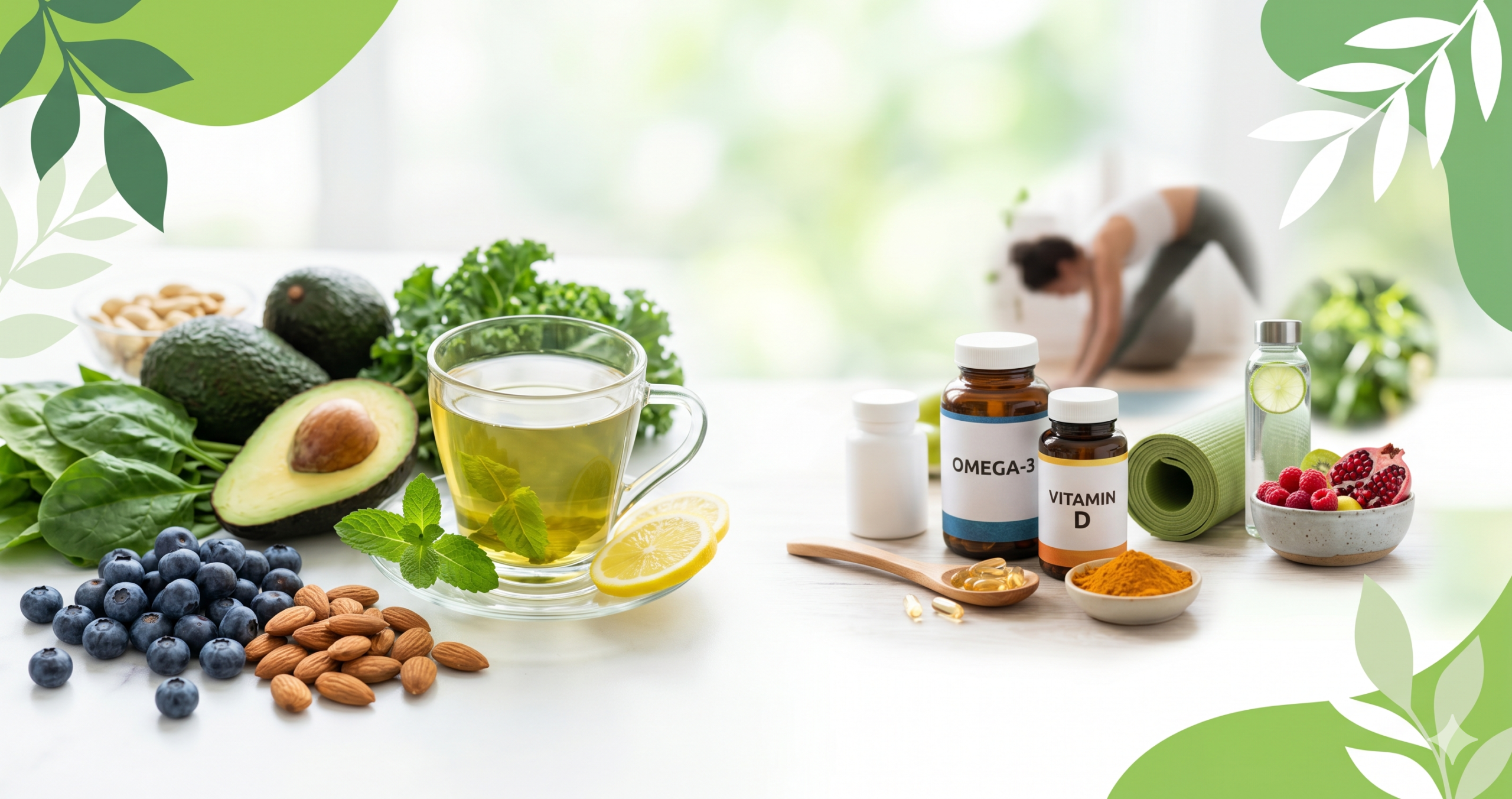
Let’s be honest — nobody wants to feel older than they are. Whether it’s waking up stiff, noticing more fine lines in the mirror, or just feeling like your energy isn’t what it used to be, the signs of aging can sneak up fast. The good news? Research suggests that how you age is not entirely out of your hands. In fact, many people find that a few consistent daily habits can make a meaningful difference in how their body and mind hold up over the years.
This isn’t about chasing eternal youth or falling for miracle creams. These are 10 habits that slow down aging naturally — backed by real science and practical enough to actually stick with. Let’s get into it.
What Is Visceral Fat and How Do You Get Rid of It?
1. Prioritize Sleep Like It’s Your Most Important Appointment
Sleep is when your body does its deepest repair work. During deep sleep stages, your cells regenerate, your brain flushes out toxic waste products, and your body releases growth hormone — all processes closely tied to how you age at the cellular level.
Research suggests that chronic poor sleep accelerates biological aging markers, including telomere shortening. Telomeres are the protective caps on your DNA strands — think of them like the plastic tips on shoelaces. The shorter they get, the faster cells age and deteriorate.
Many people find that aiming for 7 to 9 hours of quality sleep per night — with a consistent bedtime, a cool dark room, and screens off at least 30 minutes before bed — makes a noticeable difference in energy, skin clarity, and mental sharpness within just a few weeks.
2. Move Your Body Every Day — But It Doesn’t Have to Be Intense
One of the most well-documented habits that slow down aging naturally is regular physical movement. Research suggests that sedentary behavior accelerates cellular aging and increases inflammation — two major drivers of age-related decline.
The great news is that you don’t need to train like an athlete. Even 30 minutes of moderate activity daily — brisk walking, swimming, cycling, or yoga — may help preserve muscle mass, support cardiovascular health, and reduce markers of systemic inflammation.
Strength training deserves a special mention here. After 30, most people begin losing muscle mass at a rate of about 3 to 5 percent per decade. Resistance exercises — even bodyweight movements — may help counteract this, keeping your metabolism active and your body structurally strong as you age.
How to Speed Up Metabolism After 40
3. Eat More Plants — Especially Colorful Ones
Your plate is one of your most powerful anti-aging tools. A diet rich in fruits, vegetables, legumes, and whole grains provides a steady supply of antioxidants — compounds that may help neutralize free radicals, which are unstable molecules that damage cells and accelerate aging.
Research suggests that certain plant compounds, including polyphenols found in berries, olive oil, and green tea, may help reduce oxidative stress and support healthy cellular function. Some populations known for exceptional longevity — like those in Mediterranean and Okinawan regions — share diets heavily centered on whole plant foods.
Many people find it easiest to follow the “eat the rainbow” approach: aim for at least five different colors of fruits and vegetables each day. Each color tends to represent a different family of antioxidants, so variety really does matter.
4. Manage Stress Before It Manages You
Chronic stress is one of the sneakiest accelerators of biological aging. When your body stays in a prolonged stress response, it floods your system with cortisol — a hormone that, in excess, may contribute to inflammation, disrupted sleep, weight gain, and immune suppression.
Research suggests that stress-reduction practices like meditation, deep breathing, journaling, or even regular time in nature may help regulate cortisol levels and reduce inflammatory markers. One widely cited area of study found that people who practiced mindfulness meditation showed significantly longer telomere length compared to non-meditators — suggesting a real cellular benefit.
You don’t need to meditate for an hour a day. Many people find that even 10 minutes of intentional breathing or a short walk outside provides a meaningful reset for their nervous system.
5. Stay Hydrated — More Than You Think You Need To
Water is involved in virtually every biological process in your body — from flushing out toxins and lubricating joints to supporting skin elasticity and kidney function. As you age, your body’s ability to signal thirst becomes less reliable, meaning many older adults are chronically mildly dehydrated without realizing it.
Research suggests that adequate hydration may help maintain skin appearance, cognitive function, and digestive health — all areas that tend to decline with age. Many people find that keeping a water bottle visible as a constant reminder, or starting each morning with a large glass of water before coffee, helps them hit their daily target more consistently.
General recommendations suggest aiming for around 8 cups (2 liters) per day, though individual needs vary depending on body size, climate, and activity level.
6. Protect Your Skin From UV Damage Daily
Sun exposure is one of the leading external causes of visible skin aging — a process dermatologists call photoaging. UV radiation breaks down collagen and elastin fibers in the skin, leading to wrinkles, age spots, and loss of firmness over time.
Research consistently suggests that daily use of broad-spectrum sunscreen (SPF 30 or higher) — even on cloudy days — may help significantly slow visible signs of aging. Many people find this single habit more impactful for their skin’s long-term appearance than any serum or treatment they’ve tried.
Beyond sunscreen, protective clothing, sunglasses, and seeking shade during peak UV hours (10am–4pm) round out a sensible daily sun protection routine.
7. Nurture Strong Social Connections
Loneliness isn’t just emotionally painful — research suggests it may be genuinely harmful to physical health. Studies indicate that chronic social isolation is associated with increased inflammation, impaired immune function, and a higher risk of cognitive decline — all tied to accelerated aging.
On the flip side, people with strong social ties tend to live longer, recover from illness more quickly, and report better mental well-being. Many people find that investing in meaningful relationships — whether through regular phone calls, community groups, or shared hobbies — provides benefits that go far beyond mood.
The quality of your connections matters more than quantity. A few deep, trusting relationships appear to be more protective than a large network of superficial ones.
Does Intermittent Fasting Work for Women Over 50?
8. Keep Your Brain Active and Learning
The brain, like a muscle, benefits from regular use. Research suggests that cognitive engagement — reading, learning new skills, solving puzzles, playing musical instruments — may help build what scientists call “cognitive reserve,” your brain’s ability to function well even as some aging-related changes occur.
Many people find that picking up a genuinely new skill provides the strongest mental stimulation. Learning a new language, taking up a craft, or even navigating an unfamiliar neighborhood on foot all challenge the brain in ways that may support long-term cognitive health.
9. Limit Alcohol and Avoid Smoking
These two habits are among the most consistently linked to accelerated aging in the scientific literature. Smoking damages nearly every system in the body, accelerates skin aging, shortens telomeres, and dramatically increases risk of age-related disease.
Alcohol, while sometimes portrayed as having mild heart benefits in moderate amounts, research increasingly suggests that even moderate intake may contribute to cellular aging, liver stress, and disrupted sleep quality. Many people find that reducing or eliminating alcohol has a surprisingly rapid positive impact on sleep, skin, and energy levels.
10. Find Purpose and Keep Setting Goals
This one might surprise you, but having a strong sense of purpose — feeling like your life has direction and meaning — is consistently associated with better health outcomes and longevity in research. It’s so well-documented in Japanese culture that they have a specific word for it: ikigai, meaning “reason for being.”
Research suggests that people with a clear sense of purpose tend to make healthier choices, experience less chronic stress, and maintain stronger immune function. Many people find that this comes from contributing to something larger than themselves — whether through work, volunteering, creative pursuits, or family.
Frequently Asked Questions
Can you really slow down aging naturally, or is it mostly genetics? Genetics play a role, but research suggests they may account for only about 20 to 30 percent of how you age. Lifestyle factors — including the habits listed here — appear to have a significant influence on biological aging, which can differ meaningfully from your chronological age.
What is the single most impactful habit for slowing aging? There’s no single magic bullet, but if research were to point to one area, it would likely be a tie between consistent physical movement and quality sleep — both of which affect nearly every other system in the body. Combining multiple habits from this list provides the greatest overall benefit.
How long does it take to see results from anti-aging habits? Some changes — like improved energy, sleep quality, and skin hydration — many people report noticing within a few weeks. Deeper cellular changes occur over months and years of consistent practice.
Are anti-aging supplements worth taking alongside these habits? Some people find that targeted supplements may complement a healthy lifestyle, particularly for nutritional gaps that are difficult to fill through diet alone. That said, no supplement replaces the foundational habits listed here — they work best as additions, not substitutes. Always consult a healthcare professional before starting any new supplement regimen.
Conclusion
Slowing down aging naturally doesn’t require radical interventions or expensive treatments. It requires consistency in the small things: moving daily, sleeping well, eating colorfully, managing stress, staying connected, and keeping your mind engaged. Research suggests that these habits, practiced together over time, may make a genuine and measurable difference in how your body ages at the cellular level.
The best part? You can start today — with your next meal, your next walk, your next good night’s sleep. Every choice compounds. And over months and years, those small daily investments add up to something significant.
If you’re also looking for additional support on your wellness journey, it may be worth exploring supplement options that can complement these habits.