
Is Ikaria Lean Belly Juice Safe for Diabetics

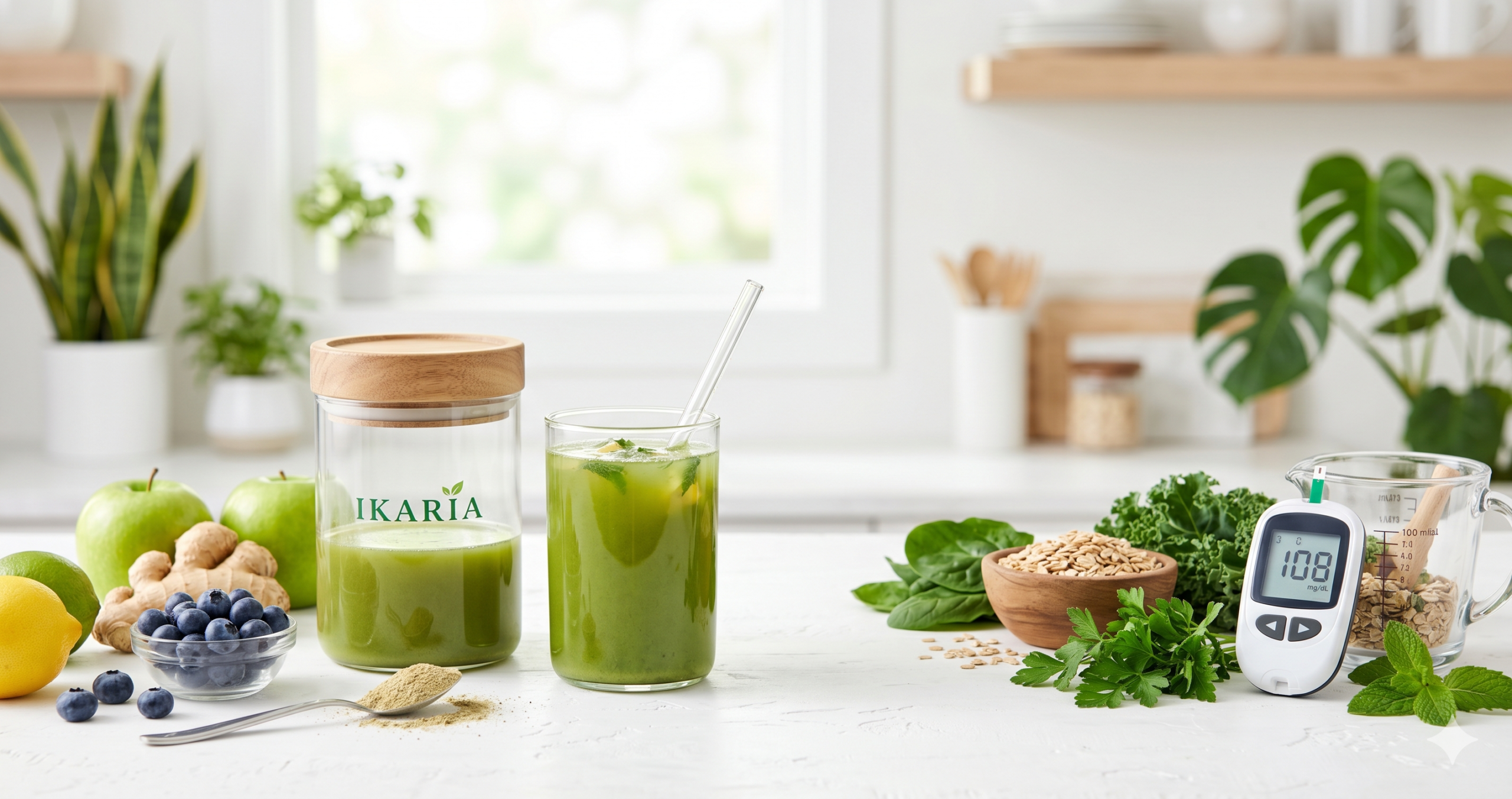
If you have diabetes or prediabetes and you are considering Ikaria Lean Belly Juice, you are asking exactly the right question before purchasing. Supplements and blood sugar conditions require careful consideration — not because natural supplements are inherently dangerous for diabetics, but because certain ingredients interact with blood sugar regulation in ways that require awareness and, in many cases, healthcare provider consultation before use.
This article gives you a thorough, honest answer — covering which Ikaria Lean Belly Juice ingredients are relevant to blood sugar management, what the potential benefits and risks are for diabetic users specifically, and the clear guidance on when medical consultation is not optional.
Ikaria Lean Belly Juice Ingredients: What’s Inside and Does It Work?
Disclosure: This post contains affiliate links. If you click through and make a purchase, we may earn a commission at no additional cost to you. This content is for informational purposes only and does not constitute medical advice.
Understanding the Connection Between Ikaria’s Formula and Blood Sugar
Before evaluating safety for diabetics specifically, it is important to understand that several of Ikaria Lean Belly Juice’s ingredients have direct or indirect effects on blood sugar and insulin metabolism. This cuts both ways — some of these effects may be beneficial for diabetic users, while others require caution in the context of existing diabetes management.
The key ingredients with blood sugar relevance in Ikaria Lean Belly Juice are:
Berberine — the most pharmacologically active ingredient in the formula from a blood sugar perspective. Research suggests berberine may activate AMPK and support insulin sensitivity in ways that have drawn comparisons to certain diabetes medications in research settings. This is both the most potentially beneficial and the most important ingredient to understand for diabetic users.
Milk Thistle (Silymarin) — research suggests silymarin may have modest blood sugar-lowering effects in addition to its primary liver-protective role. Some studies specifically suggest milk thistle may support improved glycemic control in type 2 diabetes.
Resveratrol — research suggests resveratrol may help improve insulin sensitivity and support healthier blood sugar regulation through its effects on cellular energy metabolism.
Citrus Pectin — as a soluble fiber, citrus pectin may help slow glucose absorption from food — supporting more stable post-meal blood sugar levels.
Panax Ginseng — research suggests panax ginseng may have blood sugar-lowering properties and may support insulin sensitivity — with some studies specifically investigating its effects in diabetic populations.
EGCG from Green Tea — research suggests EGCG may support insulin sensitivity and glucose metabolism, with some research specifically showing improvements in fasting blood sugar in individuals with metabolic dysfunction.
What Is Berberine? Benefits, Dosage and Weight Loss Research
Potential Benefits for Diabetic Users
For individuals with type 2 diabetes or prediabetes, several of the mechanisms targeted by Ikaria Lean Belly Juice’s formula are directly relevant to their condition:
Improved insulin sensitivity — berberine, resveratrol, panax ginseng, and EGCG all have research suggesting they may support insulin sensitivity. For type 2 diabetics whose primary metabolic challenge is insulin resistance, these mechanisms may provide meaningful metabolic support alongside their primary diabetes management approach.
Uric acid management — emerging research suggests a significant connection between elevated uric acid and insulin resistance. Individuals with type 2 diabetes have disproportionately high rates of elevated uric acid. Ikaria’s citrus pectin and taraxacum content may support healthier uric acid levels — potentially addressing a factor in metabolic dysfunction that conventional diabetes management does not specifically target.
Liver health support — non-alcoholic fatty liver disease is extremely common in individuals with type 2 diabetes and directly impairs glucose metabolism. Milk thistle’s liver-protective properties may support improved liver function — relevant to both weight management and blood sugar regulation in this population.
Visceral fat reduction — visceral fat is both a consequence and a cause of insulin resistance. Supporting its reduction through Ikaria’s metabolic mechanisms may improve insulin sensitivity as a downstream benefit — creating a positive metabolic cycle.
Reduced systemic inflammation — chronic inflammation is a central feature of type 2 diabetes and directly impairs insulin signaling. Resveratrol’s anti-inflammatory properties may provide meaningful support in reducing the inflammatory burden that worsens insulin resistance.
The Critical Caution: Drug Interactions for Diabetics
This section is the most important in the entire article — and requires the clearest possible language.
Berberine has meaningful blood sugar-lowering effects. Research suggests it activates similar metabolic pathways to certain diabetes medications. If you are taking metformin, sulfonylureas, insulin, or any other blood sugar-lowering medication, combining them with berberine — a component of Ikaria Lean Belly Juice — without medical supervision carries a genuine risk of hypoglycemia — blood sugar dropping too low.
Hypoglycemia is a medical condition that ranges from uncomfortable — shakiness, sweating, confusion — to potentially dangerous if blood sugar drops severely. For diabetics on medication, this is not a theoretical concern — it is a real interaction risk that requires proactive management.
This does not mean diabetics cannot take Ikaria Lean Belly Juice. It means that diabetics on blood sugar-lowering medications must consult their healthcare provider before starting Ikaria Lean Belly Juice or any supplement containing berberine. A healthcare provider can assess the specific interaction risk given your current medications and dosages, monitor your blood sugar response when starting the supplement, and adjust your medication if needed to account for the supplement’s blood sugar-lowering effects.
Additional blood sugar-relevant interactions to discuss with your healthcare provider:
Milk thistle may affect the metabolism of certain diabetes medications through its effects on liver enzymes. Panax ginseng’s blood sugar-lowering properties add to the cumulative interaction risk. And EGCG from green tea may interact with certain medications in ways that are relevant to diabetic management.
The bottom line: a healthcare provider consultation before starting Ikaria Lean Belly Juice is not optional for diabetics on medication — it is a mandatory safety step.
What About Prediabetes?
Users with prediabetes — elevated blood sugar that has not yet reached the diagnostic threshold for type 2 diabetes — face a different risk profile than diagnosed diabetics on medication.
For prediabetics not on blood sugar-lowering medication, the interaction risk described above is significantly lower. The blood sugar-supporting mechanisms in Ikaria’s formula may actually be particularly beneficial for prediabetics — supporting insulin sensitivity and glucose metabolism in ways that could help prevent progression to full type 2 diabetes.
However, prediabetics should still monitor their blood sugar response when starting any supplement with blood sugar-active ingredients — particularly berberine — and consult their healthcare provider if they are uncertain about the appropriate approach for their specific situation.
Monitoring Recommendations for Diabetics Who Do Start Ikaria
For diabetics who receive clearance from their healthcare provider to try Ikaria Lean Belly Juice, these monitoring practices are important:
Increase blood sugar monitoring frequency in the first two to four weeks — particularly around the times you take the supplement. This allows you to detect any meaningful blood sugar-lowering effect and communicate it to your healthcare provider for potential medication adjustment.
Keep a log of your blood sugar readings alongside your supplement dosing and meal times during the initial period. This data is invaluable for your healthcare provider in assessing the supplement’s effect on your individual blood sugar regulation.
Know the signs of hypoglycemia — shakiness, sweating, dizziness, confusion, rapid heartbeat, and hunger are the classic warning signs. Have a fast-acting glucose source — juice, glucose tablets — accessible particularly in the initial weeks.
Start at a consistent time each day — taking Ikaria at the same time every morning makes it easier to identify any blood sugar pattern changes associated with the supplement.
Communicate any changes to your healthcare provider promptly — whether blood sugar readings are running lower than usual, higher, or showing more variability. Your diabetes management may need adjustment to account for the supplement’s metabolic effects.
Type 1 Diabetes: A Separate Consideration
Type 1 diabetes is a fundamentally different condition from type 2 — it is an autoimmune condition involving the destruction of insulin-producing cells rather than a metabolic insulin resistance condition. The blood sugar considerations for type 1 diabetics taking supplements with blood sugar-active ingredients are even more complex, given the more precise insulin dosing requirements of type 1 management.
Type 1 diabetics considering Ikaria Lean Belly Juice should treat the healthcare provider consultation requirement as absolutely non-negotiable — and should be prepared for the possibility that their endocrinologist or diabetes care team may advise against use given the complexity of managing blood sugar interactions in type 1 diabetes.
Pros and Cons for Diabetic Users
| PROS FOR DIABETICS | CONS FOR DIABETICS |
| Berberine may support insulin sensitivity | Berberine interaction risk with diabetes medications |
| Uric acid management relevant to diabetic metabolic profile | Requires mandatory healthcare provider consultation |
| Liver support addresses common diabetic comorbidity | Increased blood sugar monitoring required initially |
| Anti-inflammatory ingredients relevant to insulin resistance | Panax ginseng adds additional blood sugar interaction |
| Visceral fat targeting directly relevant to type 2 diabetes | Type 1 diabetics face more complex management considerations |
| Soluble fiber supports post-meal blood sugar stability | Not a replacement for prescribed diabetes management |
| 180-day guarantee reduces financial risk of trial | Risk of hypoglycemia if combined with medication unsupervised |
Conclusion
Is Ikaria Lean Belly Juice safe for diabetics? The honest answer is: potentially yes — with appropriate medical supervision — and the formula’s mechanisms are actually directly relevant to several of the metabolic challenges facing individuals with type 2 diabetes and prediabetes.
The critical caveat is that the berberine content — alongside several other blood sugar-active ingredients — creates meaningful interaction potential with diabetes medications that requires healthcare provider consultation before use. This is not a warning to scare diabetics away from considering the supplement — it is a practical safety requirement that, when properly managed, allows diabetics to benefit from the formula’s metabolic support in a monitored and safe way.
If you have prediabetes without medication or type 2 diabetes managed through lifestyle alone, the interaction risk is lower — though a healthcare provider conversation is still advisable before starting.
For diabetics who receive clearance to try Ikaria Lean Belly Juice, visit the official Ikaria Lean Belly Juice website to review current pricing and the 180-day guarantee before purchasing.
Frequently Asked Questions
Can Ikaria Lean Belly Juice lower blood sugar in non-diabetics? The blood sugar-supporting mechanisms in Ikaria’s formula — particularly berberine and EGCG — may have modest blood sugar-modulating effects in non-diabetic users, particularly those with elevated blood sugar or insulin resistance. For healthy individuals with normal blood sugar, these effects are unlikely to be clinically significant. However, anyone with blood sugar concerns should discuss supplement use with their healthcare provider.
Is berberine in Ikaria Lean Belly Juice as strong as metformin? Research has drawn comparisons between berberine and metformin in certain metabolic outcomes, but this comparison is context-specific and should not be interpreted as equivalence. Metformin is a pharmaceutical medication subject to rigorous clinical testing and regulatory approval. Berberine is a naturally occurring compound with meaningful but more limited research. They should not be considered interchangeable, and berberine is not a replacement for prescribed diabetes medication.
How soon after starting Ikaria would a diabetic notice blood sugar changes? Research on berberine suggests blood sugar effects may become measurable within two to four weeks of consistent use. This is why increased monitoring frequency during the first month is particularly important for diabetics starting Ikaria or any berberine-containing supplement.
Can Ikaria Lean Belly Juice help prevent type 2 diabetes in prediabetics? Research suggests berberine and several other ingredients in Ikaria’s formula may support insulin sensitivity and blood sugar regulation in ways that could be relevant to prediabetes management. However, no supplement should be used as a primary prevention strategy for type 2 diabetes without healthcare provider involvement — lifestyle modification including dietary improvement and physical activity remains the most evidence-based approach to prediabetes management.