Is the Orange Peel Hack Legit? We Investigated


The orange peel hack has become one of the most searched natural weight loss concepts of 2026 — showing up in social media content, health blogs, and supplement marketing with increasing frequency. But between the genuine metabolic science and the inevitable exaggeration that accompanies any viral health trend, it can be difficult to know what is real and what is marketing.
We investigated. Here is the complete, honest picture of what the orange peel hack actually is, what the research genuinely supports, and how to use it effectively if the evidence warrants it.
The Science of Fat Burning Explained Simply
Disclosure: This post contains affiliate links. If you click through and make a purchase, we may earn a commission at no additional cost to you. This content is for informational purposes only and does not constitute medical advice.
What the Orange Peel Hack Claims to Do
At its core, the orange peel hack refers to using compounds derived from orange peel — particularly bitter orange — to support fat burning, metabolism, and weight loss. The mechanism most commonly cited is the thermogenic and lipolytic effect of synephrine — a compound found in the peel and unripe fruit of bitter orange — Citrus aurantium.
The claim, in its most measured form, is that bitter orange extract provides natural thermogenic support — increasing metabolic rate and promoting fat release — through a mechanism similar to but gentler than ephedrine, the powerful stimulant banned from supplements in 2004.
In its more exaggerated form — as it sometimes appears in viral content — the claim is that eating orange peels or applying orange peel to the skin produces dramatic fat burning results. This version of the claim has essentially no research support and misunderstands the mechanism entirely.
The legitimate version of the claim — that standardized bitter orange extract taken orally at research-relevant doses provides meaningful thermogenic support — has genuine scientific backing worth examining seriously.
The Actual Research on Bitter Orange and Synephrine
Synephrine — specifically p-synephrine — is the primary bioactive compound in bitter orange extract responsible for its metabolic effects. Here is what the research actually shows:
Thermogenic effect is real but modest. Multiple controlled studies show synephrine producing measurable increases in resting metabolic rate — typically in the range of 65 to 100 additional calories burned per day at doses used in research. A systematic review published in a peer-reviewed journal concluded that synephrine-containing supplements produce thermogenic effects that are statistically significant and reproducible across multiple studies.
Lipolytic effect is supported. Research suggests synephrine activates beta-3 adrenergic receptors in adipose tissue — promoting the release of stored fatty acids from fat cells. This lipolytic mechanism is distinct from and complementary to the thermogenic effect — meaning synephrine both increases the rate at which fat is burned and promotes the release of fat from storage.
Synergistic effect with EGCG is well-documented. Research specifically examining the combination of synephrine with EGCG from green tea consistently shows greater thermogenic and fat oxidation effects than either compound alone. This synergy has meaningful practical implications — a formula combining both produces more significant metabolic effects than the same doses of each used separately.
Cardiovascular safety at typical doses is favorable. Research examining synephrine’s cardiovascular effects at typical supplement doses — generally 20 to 50 milligrams per serving — shows minimal effect on heart rate and blood pressure in healthy adults. This is a meaningfully better safety profile than ephedrine, which acted on multiple adrenergic receptor subtypes with stronger cardiovascular effects. The favorable safety profile does not extend to individuals with cardiovascular conditions, hypertension, or those on MAOIs — for whom synephrine requires caution.
What the Research Does NOT Support
Honest investigation requires equal attention to what the evidence does not support.
Eating orange peels does not deliver meaningful synephrine. The synephrine content of whole sweet orange peels — the type most people have access to — is negligible. The meaningful synephrine concentrations are found in bitter orange — Citrus aurantium — specifically the unripe fruit and dried peel, which are significantly more bitter and less palatable than sweet orange peels. Even then, achieving consistent research-relevant doses through eating whole fruit or peel is impractical.
Topical orange peel application has no meaningful fat-burning evidence. Claims that rubbing orange peel on skin produces fat burning effects are not supported by research. Synephrine is not meaningfully absorbed through the skin at relevant concentrations from orange peel application.
The effect alone is not transformative. Even in research settings with standardized extract at controlled doses, the direct fat-burning contribution of synephrine is modest — meaningful as a supporting element of a comprehensive approach, not as a standalone transformation tool.
Duration matters significantly. Short-term single-dose studies show thermogenic effects. Long-term fat loss studies — the ones that matter for body composition — require eight to twelve weeks of consistent use alongside appropriate dietary habits to show meaningful outcomes.
The Most Effective Way to Use the Orange Peel Concept
Based on what the research actually supports, the most effective implementation of the orange peel hack is:
Standardized bitter orange extract — not sweet orange peel. Supplements standardized for synephrine content provide consistent, research-relevant doses. The standardized extract removes the variability of whole-food consumption and ensures you are actually getting the bioactive compound in the amounts the research supports.
Combined with EGCG. The synergistic effect of synephrine and EGCG is one of the most consistent findings in bitter orange research. A formula combining both produces more meaningful metabolic effects than either alone — and this combination is precisely what makes it most relevant as a weight management tool.
As part of a multi-mechanism formula. For women over 40, thermogenesis from synephrine and EGCG is one mechanism among several that need to be addressed. Combining the orange peel thermogenic mechanism with cortisol regulation — ashwagandha — and blood sugar support — chromium — addresses the full hormonal picture rather than isolated thermogenesis.
Consistently over eight to twelve weeks. The metabolic rate and fat oxidation benefits develop cumulatively — not from a single dose or a single week of use.
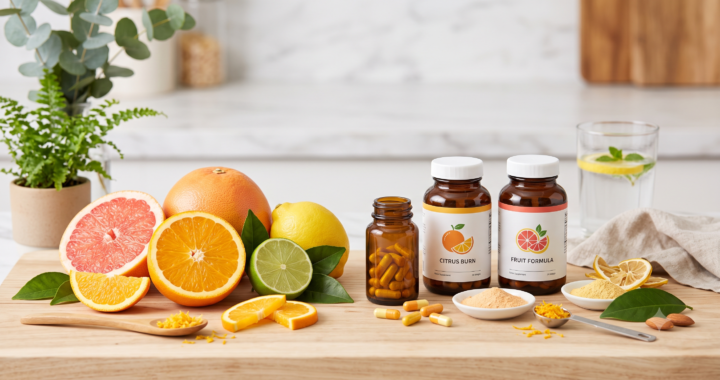
Citrus Burn is built directly around this evidence-based implementation of the orange peel concept — combining standardized citrus aurantium extract with EGCG for synergistic thermogenesis, alongside ashwagandha for cortisol regulation and chromium for blood sugar stability. The result is a formula that uses the legitimate science behind the orange peel hack as one mechanism within a comprehensive approach to the specific metabolic challenges of women over 40. See the latest Citrus Burn pricing and availability.
For women who want to see how this formula performs in the context of a full honest assessment — including user results, side effect profile, and realistic timeline expectations — our complete CitrusBurn review covers everything you need before deciding.
Citrus Burn Review 2026: Does It Really Work for Women Over 40?
The Verdict: Is the Orange Peel Hack Legit?
The honest verdict depends on which version of the claim you are evaluating.
The viral social media version — rubbing orange peel on skin, eating sweet orange peels for fat burning: Not supported by research. This version of the claim misunderstands both the mechanism and the relevant compound. Not legit.
The supplement marketing version — standardized bitter orange extract at research-relevant doses, combined with EGCG, as part of a comprehensive formula: Supported by genuine research. The thermogenic and lipolytic mechanisms are real, the safety profile at typical doses is favorable, and the synergy with EGCG is well-documented. Legit — with the important caveat that the effect is modest and works best as part of a multi-mechanism approach rather than as a standalone fat-burning solution.
The orange peel concept is most accurately understood as one genuinely useful thermogenic tool — not a magic hack, not a scam, but a legitimate metabolic support mechanism that earns its place in well-designed formulas targeting women over 40.
Frequently Asked Questions
Why is bitter orange used instead of regular sweet orange?
Bitter orange — Citrus aurantium — contains significantly higher concentrations of synephrine than sweet orange — Citrus sinensis. The synephrine content of sweet oranges is negligible for metabolic purposes. Bitter orange, particularly the unripe fruit and dried peel, is the botanically correct source for supplement use — and commercial extracts are standardized from this species.
Is bitter orange extract the same as synephrine?
Bitter orange extract is the standardized plant extract that contains synephrine as its primary active compound. Synephrine is the specific molecule responsible for the thermogenic and lipolytic effects. A high-quality supplement will specify both the plant source — Citrus aurantium — and the standardization percentage of synephrine per serving.
How does synephrine compare to caffeine for metabolism support?
Both caffeine and synephrine activate adrenergic pathways that support thermogenesis and fat release — but through different receptor profiles and at different potencies. Caffeine is more potent and more broadly stimulating — producing stronger thermogenic effects alongside greater cardiovascular stimulation and sleep disruption risk. Synephrine is more selective for beta-3 receptors in fat tissue — producing meaningful thermogenic and lipolytic effects with less cardiovascular stimulation. For women over 40 with caffeine sensitivity, synephrine’s more targeted and gentler profile is often a better fit.
Can pregnant women use bitter orange extract?
Bitter orange extract and synephrine are not recommended during pregnancy due to their adrenergic effects. Pregnant women should avoid all thermogenic supplements unless specifically cleared by their healthcare provider.