
Top Supplements to Control Sugar Cravings and Lose Weight 2026

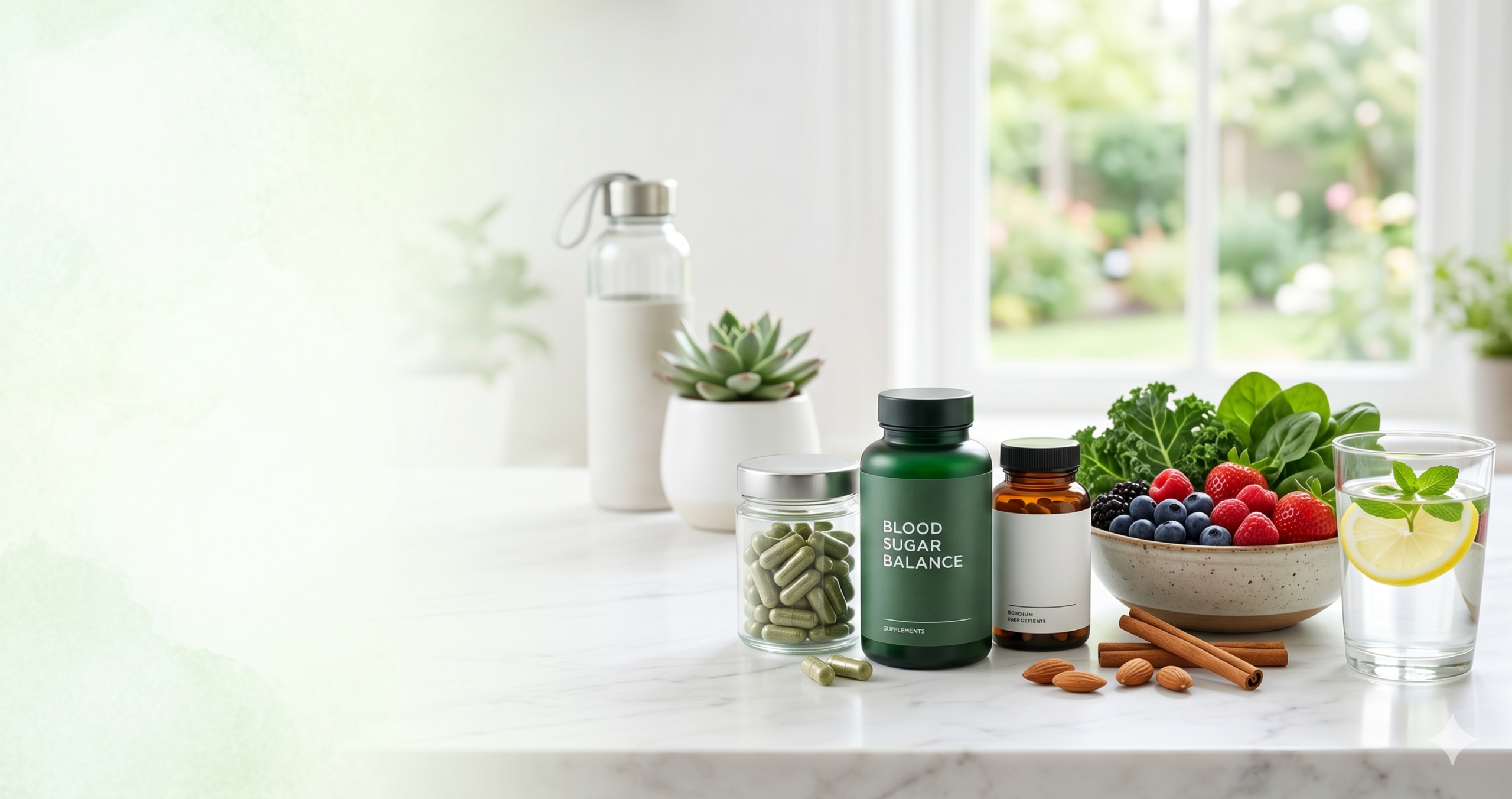
Sugar cravings are one of the most powerful and most underestimated obstacles in weight management. They are not simply a willpower problem — they are a metabolic and neurological phenomenon driven by blood sugar instability, hormonal dysregulation, stress, sleep deprivation, and gut microbiome composition. Addressing them through willpower alone is fighting biology with psychology — and biology usually wins.
The most effective approach to controlling sugar cravings combines lifestyle strategies with targeted supplement support — specifically, ingredients that address the metabolic and hormonal root causes of the cravings rather than simply suppressing appetite through stimulants. This guide covers the top supplements for sugar craving control and weight loss in 2026 — with honest assessment of what each one does, who it is most likely to help, and how they compare.
10 Signs Your Hormones Are Making You Gain Weight
Disclosure: This post contains affiliate links. If you click through and make a purchase, we may earn a commission at no additional cost to you. This content is for informational purposes only and does not constitute medical advice.
Why Sugar Cravings Are a Metabolic Problem — Not Just a Willpower Problem
Understanding the biology behind sugar cravings is the first step to addressing them effectively — because the right supplement support depends on which biological mechanism is driving the cravings in your specific situation.
Blood sugar instability is the most common driver of sugar cravings. When blood sugar spikes after a high-carbohydrate meal and then drops rapidly, the brain interprets the falling glucose as a threat and triggers urgent cravings for fast energy — typically sugar and refined carbohydrates. This cycle of spike, crash, and craving is self-perpetuating and extremely difficult to break through dietary restriction alone.
Insulin resistance amplifies blood sugar instability. When cells are resistant to insulin, blood sugar regulation becomes less efficient — producing more dramatic spikes and crashes, and more intense cravings as a result. Insulin resistance also impairs the brain’s ability to receive leptin signals — the fullness hormone — making the craving-driven eating more difficult to stop even when caloric needs are met.
Cortisol elevation drives sugar cravings through a direct neurological pathway. The stress hormone cortisol signals the brain to seek high-calorie, high-reward foods — particularly sugar — as a survival response to perceived threat. Chronic stress therefore produces chronic sugar cravings through this cortisol-driven mechanism, independent of blood sugar levels.
Serotonin deficiency is a less commonly discussed but significant driver of sugar cravings — particularly for carbohydrate-rich comfort foods. Carbohydrates transiently increase serotonin availability in the brain — meaning sugar cravings in stressed, anxious, or low-mood individuals often represent an unconscious attempt at serotonin self-medication.
Gut microbiome dysbiosis — an imbalanced gut bacterial composition — is an emerging driver of sugar cravings. Certain bacterial strains produce compounds that influence food cravings, and some research suggests that a microbiome dominated by sugar-metabolizing bacteria may drive increased sugar craving intensity as a self-preservation mechanism.
Poor sleep elevates ghrelin — the hunger hormone — and reduces leptin while simultaneously impairing the prefrontal cortex’s ability to resist impulse eating. Sleep-deprived individuals consistently show stronger responses to food cues, particularly high-sugar and high-fat options.
Key Supplement Ingredients for Sugar Craving Control
Chromium Picolinate — Blood Sugar Stability Chromium is one of the most directly relevant ingredients for blood sugar-driven sugar cravings. Research suggests chromium picolinate may enhance insulin receptor sensitivity — supporting more stable blood glucose levels and reducing the dramatic spikes and crashes that trigger craving cycles. Many users report that chromium’s most practically noticeable effect is a meaningful reduction in carbohydrate and sugar cravings — often within the first two to three weeks of consistent use.
Berberine — Insulin Sensitivity and AMPK Activation Research suggests berberine may support insulin sensitivity through AMPK activation — reducing the insulin resistance that amplifies blood sugar instability and craving intensity. Berberine also influences gut microbiome composition in ways that may reduce the microbiome-driven component of sugar cravings over time.
Ashwagandha — Cortisol-Driven Craving Reduction For sugar cravings that are clearly stress-driven — intensifying during high-pressure periods and reducing during calm periods — ashwagandha’s cortisol-regulating properties address the root cause most directly. Research suggests ashwagandha may meaningfully reduce perceived stress and cortisol levels — with downstream effects on the cortisol-driven food reward seeking that produces stress eating.
5-HTP — Serotonin-Driven Craving Reduction For sugar cravings that intensify with low mood, anxiety, or emotional stress — the serotonin self-medication pattern — 5-HTP’s precursor role in serotonin production may address the underlying neurochemical driver. Research suggests 5-HTP supplementation may reduce carbohydrate craving intensity and support more stable mood — both of which are relevant to the serotonin-driven craving pattern.
L-Glutamine — Acute Craving Interruption L-glutamine is an amino acid that can be converted to glucose in the brain — providing an alternative fuel source that may help interrupt acute sugar cravings. Some practitioners use L-glutamine specifically for acute craving moments rather than as a daily metabolic support ingredient.
Prebiotic Fiber — Gut Microbiome Craving Reduction Prebiotic fibers — including inulin and citrus pectin — feed beneficial gut bacteria whose presence is associated with reduced sugar craving intensity. They also support the gut-brain signaling that influences food reward responses. The blood sugar-stabilizing effect of soluble fiber further supports craving reduction through the glucose mechanism.
Magnesium — Stress and Blood Sugar Support Magnesium deficiency — extremely common in adults — is associated with both increased stress reactivity and impaired blood sugar regulation. Research suggests magnesium supplementation may support more stable blood glucose and reduce the stress-driven component of sugar cravings in deficient individuals.
Top Supplements for Sugar Craving Control and Weight Loss in 2026
CitrusBurn — Best Overall for Sugar Craving Control
CitrusBurn earns the top position for sugar craving control specifically because it directly addresses the two most common craving drivers — blood sugar instability through chromium picolinate and cortisol-driven cravings through ashwagandha — in a single daily formula.
Users consistently report that reduced carbohydrate and sugar cravings is one of the first and most noticeable benefits of CitrusBurn — typically emerging within two to three weeks of consistent use. For women over 40 whose sugar cravings are driven by the combined effects of declining estrogen on blood sugar regulation and elevated cortisol from hormonal turbulence, CitrusBurn’s dual-mechanism approach is particularly well-matched.
The thermogenic and L-carnitine content provides additional metabolic support that compounds the weight management benefits of reduced craving-driven caloric intake.
Sumatra Slim Belly Tonic — Best for Sleep and Stress-Driven Cravings
For users whose sugar cravings are clearly connected to poor sleep and high stress — intensifying when sleep-deprived and during high-pressure periods — Sumatra Slim Belly Tonic addresses the root cause most directly. The 5-HTP content supports serotonin availability — reducing the serotonin-seeking component of stress-driven carbohydrate cravings. The ashwagandha content regulates cortisol. And the sleep improvement produced by valerian, hops, and 5-HTP reduces the sleep deprivation-driven elevation of ghrelin and impaired impulse control that makes night-time sugar cravings particularly intense.
Users who describe their worst sugar craving episodes as happening late at night when tired and stressed will find Sumatra’s formula the most directly targeted option for their specific craving pattern.
Ikaria Lean Belly Juice — Best for Microbiome-Driven Cravings
For users whose sugar cravings seem almost disconnected from stress or mood — present even when rested and calm, and particularly intense after meals — gut microbiome dysbiosis may be a significant driver. Ikaria’s probiotic blend and citrus pectin prebiotic content directly address gut bacterial composition — reducing the microbiome-driven craving component over time. The berberine content supports insulin sensitivity and blood sugar stability, while the broader metabolic formula reduces the overall metabolic burden that amplifies craving intensity.
Liv Pure — Best for Liver-Driven Metabolic Cravings
Users whose sugar cravings are accompanied by the broader metabolic sluggishness of liver burden — fatigue after meals, difficulty losing weight, persistent bloating — may find that liver health is an underappreciated driver of their craving pattern. The liver plays a central role in blood glucose regulation — including glycogen storage and gluconeogenesis. A burdened liver regulates blood sugar less efficiently — producing more dramatic swings and more intense cravings. Liv Pure’s liver optimization approach addresses this specific mechanism.
Side-by-Side Comparison
| Feature | CitrusBurn | Sumatra Slim Belly Tonic | Ikaria Lean Belly Juice | Liv Pure |
| Chromium for blood sugar | Yes — primary | No | No | No |
| Cortisol craving reduction | Yes — ashwagandha | Yes — ashwagandha | No | No |
| 5-HTP serotonin support | No | Yes | No | No |
| Berberine insulin support | No | Yes | Yes | Yes |
| Probiotic microbiome support | No | No | Yes | No |
| Prebiotic fiber | No | No | Yes — citrus pectin | No |
| Liver blood sugar regulation | No | No | Partial | Yes — primary |
| Sleep craving reduction | No | Yes — primary | No | No |
| Best craving driver addressed | Blood sugar + cortisol | Sleep + serotonin | Microbiome + insulin | Liver + metabolism |
| Money-back guarantee | 60 days | 90 days | 180 days | 60 days |
Lifestyle Strategies That Amplify Supplement Results for Craving Control
Supplements work best alongside these craving-reduction lifestyle practices:
Eat protein at every meal. Protein stabilizes blood sugar and supports satiety signaling more effectively than any other macronutrient. Ensuring adequate protein at breakfast is particularly important — a protein-rich breakfast reduces sugar craving intensity throughout the day.
Never skip meals. Skipping meals creates the blood sugar drop that triggers the most intense acute sugar cravings. Regular meal timing — even if meals are small — maintains more stable glucose and reduces craving intensity meaningfully.
Sleep seven to nine hours. Sleep deprivation is one of the most powerful craving amplifiers available. Even one night of poor sleep measurably increases sugar and high-fat food preference the following day. Prioritizing sleep is one of the most effective craving reduction strategies available.
Manage stress actively. Because cortisol directly drives sugar cravings, any consistent stress management practice — exercise, meditation, social connection, time in nature — has direct craving reduction benefits.
Stay hydrated. Mild dehydration is frequently misinterpreted by the brain as hunger — and the hunger it produces tends to drive craving for high-calorie foods rather than water. Drinking a full glass of water before responding to a sugar craving reduces craving intensity for many people.
Does Intermittent Fasting Work for Women Over 50?
Conclusion
Sugar craving control is one of the most practically impactful benefits a weight loss supplement can deliver — because reducing craving-driven caloric intake addresses the dietary adherence problem that undermines most weight management efforts. The most effective supplements for this goal are those that target the specific biological driver of the cravings — blood sugar instability, cortisol, serotonin deficiency, gut microbiome dysbiosis, or liver function — rather than simply suppressing appetite through stimulants.
CitrusBurn, Sumatra Slim Belly Tonic, Ikaria Lean Belly Juice, and Liv Pure each address this challenge through distinct mechanisms — with CitrusBurn’s dual chromium and ashwagandha approach earning the top overall position for sugar craving control based on directness of mechanism and consistency of user reports.
Frequently Asked Questions
Why do I crave sugar more at certain times of the month? Hormonal fluctuations throughout the menstrual cycle — particularly the drop in progesterone and estrogen in the week before menstruation — directly affect blood sugar regulation and serotonin levels, producing the characteristic premenstrual sugar cravings many women experience. This pattern is a hormonally-driven craving rather than a willpower failure, and it responds well to the combination of chromium for blood sugar stability and 5-HTP or ashwagandha for the mood and cortisol component.
Can supplements completely eliminate sugar cravings? No supplement eliminates sugar cravings entirely — and any product claiming to do so is overpromising. What targeted supplements can realistically deliver is meaningful reduction in craving frequency and intensity — making dietary adherence more achievable and reducing the caloric impact of craving-driven eating. Users consistently describe this as cravings becoming manageable rather than disappearing completely.
How long before supplement support reduces sugar cravings? Chromium picolinate’s blood sugar effects are often among the earliest supplement benefits to appear — with many CitrusBurn users reporting noticeable craving reduction within two to three weeks. Ashwagandha’s cortisol effects typically develop over three to six weeks of consistent use. Berberine’s gut microbiome and insulin sensitivity effects develop over four to eight weeks. Setting realistic expectations for two to six weeks before noticing meaningful craving reduction is appropriate for most supplement approaches.
Is it better to address sugar cravings through diet or supplements? Both approaches are valuable and most effective in combination. Dietary strategies — particularly increased protein, reduced refined carbohydrates, and regular meal timing — address blood sugar stability most directly and rapidly. Supplements provide additional mechanism-specific support that can meaningfully amplify the dietary approach — particularly for the cortisol, serotonin, and microbiome dimensions of craving that dietary changes alone address less directly.